
काठमाडौंमा ‘स्वच्छ हावा’ विषयक बहस: सहकार्य, कार्यान्वयन र स्थानीय सक्रियतामा जोड

काठमाडौं, फागुन ६ । वन तथा वातावरण मन्त्री माधव प्रसाद चाैलागाईंले वातावरण संरक्षण कुनै एक मन्त्रालय वा निकायको मात्र विषय नभई सबै मन्त्रालय र तहको ‘क्रसकटिङ’ एजेन्डा भएको बताएका छन्।
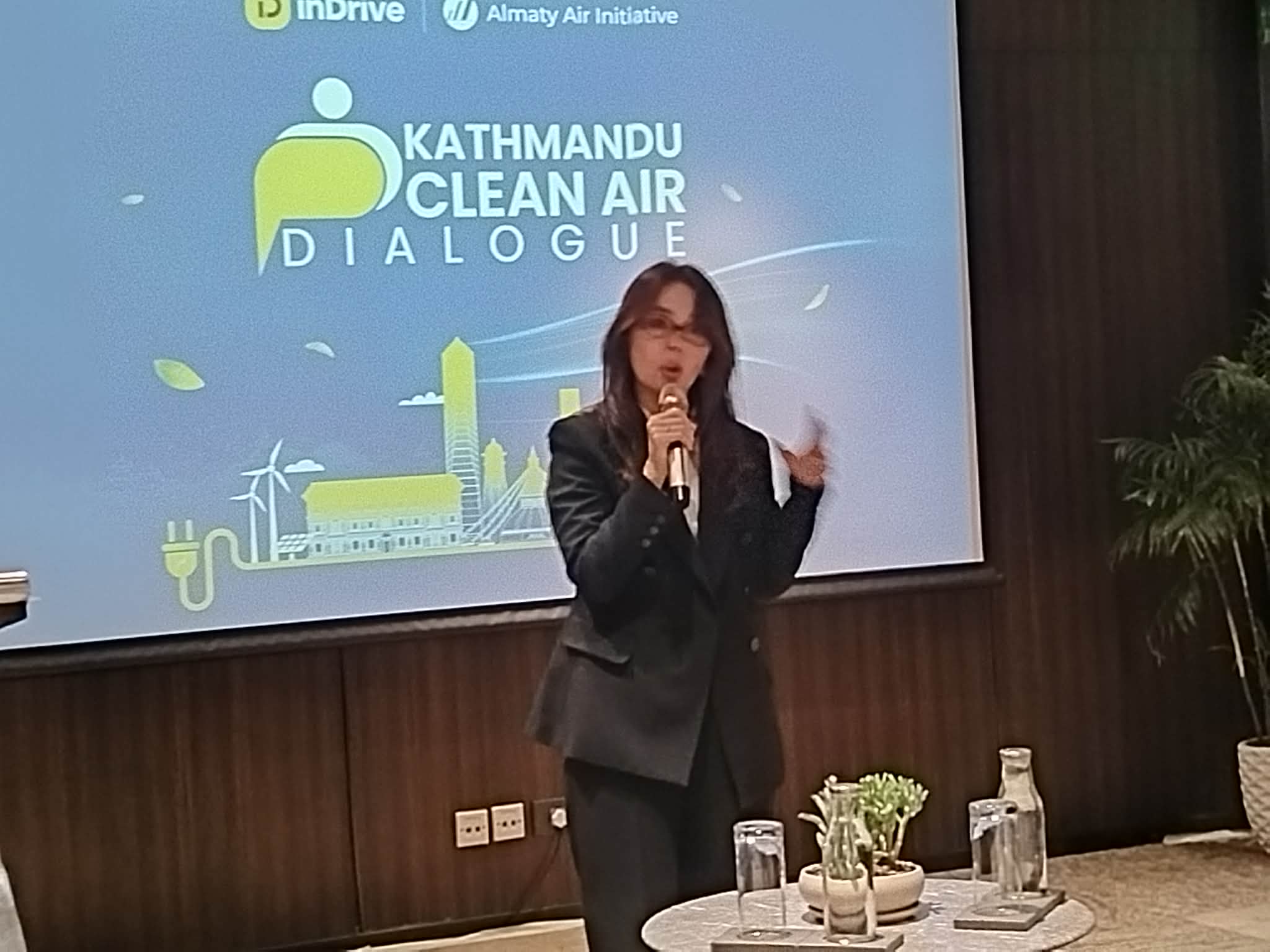
राजधानीको बढ्दो वायु प्रदूषण र त्यसको दीर्घकालीन समाधानका उपायबारे केन्द्रित ‘काठमाडौं स्वच्छ हावा’ शीर्षकको छलफल कार्यक्रममा मन्त्री चाैलागाईंले उक्त विचार व्यक्त गरेका हुन् । कार्यक्रमको आयोजना इन्ड्राइभ र अल्माटी एयर इनिशियटिभले संयुक्त रूपमा गरेका थिए।
कार्यक्रमका प्रमुख अतिथि मन्त्री चाैलागाईंले भने-“हरेक मन्त्रालयले वातावरणको कुरा गर्नु राम्रो कुरा हो। यसलाई एकल निकायमा सीमित गर्नेभन्दा सबैले स्वामित्व लिएर अघि बढ्नु सकारात्मक संकेत हो ।”
मन्त्री चाैलागाईंले जनस्तरबाट सरकारले केही नगरेको भन्ने धारणा आंशिक र एकपक्षीय हुन सक्ने उल्लेख गर्दै सरकारी संरचना, कानुन र कार्ययोजनालाई प्रभावकारी रूपमा कार्यान्वयन गर्नुपर्नेमा जोड दिए। “नेपालमा पर्याप्त कानुनी व्यवस्था छ। नयाँ–नयाँ संस्था र कानुन थपिरहनुभन्दा भएका संरचना र प्रावधानलाई प्रभावकारी कार्यान्वयन गर्नु बढी आवश्यक छ,” उनले स्पष्ट पारे।
उनले हाल समीक्षा गरिएको १३७ बुँदे कार्ययोजनाको उल्लेख गर्दै धेरै अपेक्षित विषयहरू समेटिएको र क्रमशः कार्यान्वयनतर्फ अग्रसर रहेको जानकारी दिए। निजी क्षेत्र, उद्योग र स्थानीय तहको भूमिकालाई स्पष्ट गर्दै उनले काठमाडौँ महानगरपालिकाजस्ता स्थानीय सरकारहरू बढी सक्रिय देखिएको बताए।
मन्त्री चाैलागाईंले संस्थागत समन्वयको कमी, स्रोत–साधनको अभाव र दोहोरो भूमिकाका कारण प्रणाली अलमलिने अवस्था देखिएको उल्लेख गरे। “हामी कहिलेकाहीँ एउटाको भूमिका अर्कोले लिने प्रयास गर्छौं, तर त्यसले प्रणालीमा स्पष्टता ल्याउँदैन। समन्वय र सहकार्य नै समाधानको मुख्य आधार हो,” उनले भने।
उनले वातावरण विभागजस्ता संस्थाहरूलाई आन्तरिक स्रोत, नेतृत्व समर्थन र अन्य क्षेत्रको सहयोग आवश्यक रहेको औंल्याउँदै संस्थागत सुदृढीकरणमा जोड दिए। “संरचना बनाउनु मात्र होइन, त्यसलाई सक्रिय र जवाफदेही बनाउनु आवश्यक छ,” उनले थपे।
इन्ड्राइभका क्षेत्रीय निर्देशक मार्क टोलीले स्वच्छ हावा नेतृत्व र समग्र देश विकासको मापदण्ड बन्दै गएको बताए। उनले “काठमाडौंका लागि ताजा सक्रियता” शीर्षकमा काम अघि बढाइएको जानकारी दिँदै नेपालले स्थानीय सक्रियतालाई प्राथमिकता दिनुपर्ने धारणा राखे। “विदेशी सहयोग पर्खेर बस्नु हुँदैन। स्थानीय तह, निजी क्षेत्र र नागरिक समाजको साझेदारीले मात्रै ठोस परिणाम दिन सक्छ,” उनले भने।
अल्माटी एयर इनिशियटिभकी प्रमुख कार्यकारी अधिकृत झुल्ड्याज साउलेबेकोभाले स्वच्छ हावा स्वास्थ्यसँग प्रत्यक्ष जोडिएको विषय भएको बताउँदै मापन मात्र होइन, प्रभावकारी कार्यान्वयन आवश्यक रहेको बताइन्। “नयाँ कानुन बनाउनु मात्रै पर्याप्त हुँदैन। बजेट, प्रविधि, शिक्षा र यातायात व्यवस्थापनसँग जोडिएको व्यावहारिक कार्यक्रम आवश्यक छ,” उनले भनिन्।
उनले कजाकिस्तानको अल्माटी शहरको अनुभव प्रस्तुत गर्दै औद्योगिक प्रदूषण, यातायात र तापीय ऊर्जा प्रणाली प्रदूषणका प्रमुख स्रोत रहेको उल्लेख गरिन्। “कोइलामा आधारित ताप विद्युत् केन्द्रलाई सौर्य ऊर्जा र प्राकृतिक ग्यासतर्फ रूपान्तरण गर्ने प्रक्रिया अघि बढाइएको छ। दिशा सही भए परिवर्तन सम्भव हुन्छ,” उनले भनिन्।
साउलेबेकोभाले हरेक शहरको समस्या फरक हुने भएकाले स्थानीय निकायलाई सशक्त बनाउँदै शहर–विशेष समाधान अपनाउनुपर्नेमा जोड दिइन्। “सहकार्य नै हाम्रो लागि कुञ्जी हो। सरकार, निजी क्षेत्र र नागरिक समाजबीच पुल बलियो बनाउनुपर्छ,” उनले भनिन्।
कार्यक्रममा स्वास्थ्य काउन्सिलका तर्फबाट राजेश गौतमले स्वच्छ हावा र स्वास्थ्यबीचको सम्बन्धबारे प्रस्तुति दिएका थिए। डा. रेजिना मास्के ब्याञ्जुले काठमाडौंको हावाको गुणस्तरका प्राविधिक पक्षबारे प्रकाश पार्दै प्रदूषण मापन प्रणाली, स्याम्पलिङ र तथ्यांक विश्लेषणको महत्त्व औंल्याइन्।
कानुनी पक्षबाट रोशनी गिरीले विद्यमान कानुनी प्रावधान र कार्यान्वयन चुनौतीबारे चर्चा गरिन् भने वातावरणविद् भूषण तुलाधरले काठमाडौंको स्वच्छ हावामा स्थानीय सक्रियताको आवश्यकता र समुदाय–आधारित पहलहरूको प्रभावबारे प्रस्तुति दिएका थिए।
छलफलमा सहभागीहरूले नीति निर्माणभन्दा बढी कार्यान्वयन, समन्वय र उत्तरदायित्व सुनिश्चित गर्नु अहिलेको प्रमुख आवश्यकता भएको निष्कर्ष निकाले। साथै, परम्परागत स्थानीय ज्ञान र अभ्यासलाई पुनः सक्रिय गर्दै दीर्घकालीन रणनीतिमा समेट्नुपर्नेमा समेत जोड दिइयो।
कार्यक्रमले स्वच्छ हावा प्राप्तिका लागि कानुन, नीति, बजेट, प्रविधि र स्थानीय सहभागिताबीच सन्तुलित समन्वय अपरिहार्य रहेको सन्देश दिएको आयोजकहरूले जनाएका छन्।
मेगु पोस्त: नेवाः टाइम्स


Comments (0)
No comments yet
Be the first to comment!
Write a Comment